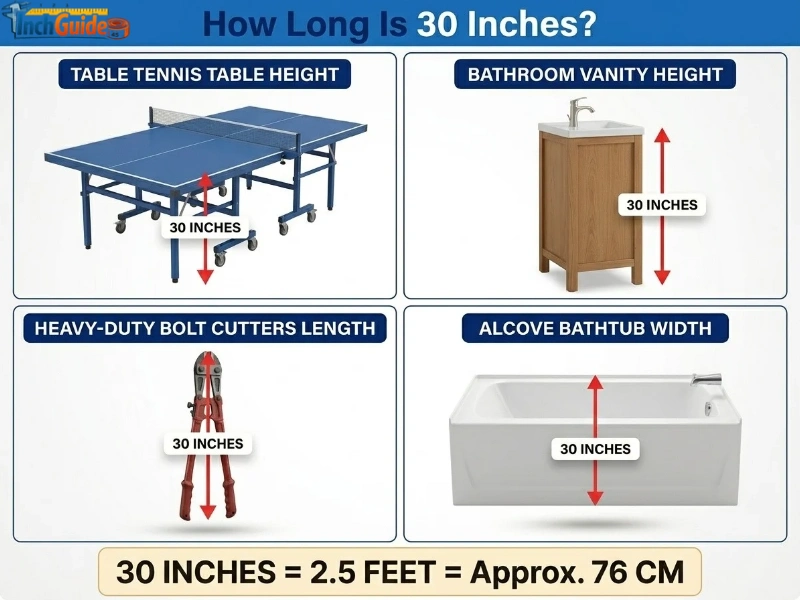

30 inches is equal to 2 feet 6 inches, 76.2 centimeters, or 762 millimeters. It is exactly 2.5 feet, so you can use any of these conversions to understand the same measurement.
Measurements become easier to work with when you know which dimension matters. A product’s listed width may not be the same as its height or length, and this difference can be important when checking whether something will fit in your home or workspace.
If you are trying to picture this size, everyday products can offer helpful reference points. The following guide explains the conversions, compares 30 inches with familiar objects, and shares practical ways to estimate the distance when a measuring tape is not available.
Related Guide: How Long Is 29 Inches?
30-Inch Conversion Chart
Use this table to compare 30 inches with nearby measurements and common metric units.
| Measurement | Feet and inches | Centimeters | Millimeters |
|---|---|---|---|
| 24 inches | 2 ft | 60.96 cm | 609.6 mm |
| 29 inches | 2 ft 5 in | 73.66 cm | 736.6 mm |
| 30 inches | 2 ft 6 in | 76.2 cm | 762 mm |
| 32 inches | 2 ft 8 in | 81.28 cm | 812.8 mm |
| 36 inches | 3 ft | 91.44 cm | 914.4 mm |
For the main measurement, 30 inches is exactly 0.762 meters, or 762 millimeters. The table can help when you need to switch between impe
What Does a 30-Inch Measurement Actually Mean?
An inch is a unit of length commonly used in the United States and several other countries. Thirty inches is a little more than two feet, which makes it easier to visualize than a measurement written only in inches.
The meaning of this measurement depends on the object. For example, a freestanding kitchen range may be described by its width, while a table tennis table is measured vertically when discussing its height.
When you see a product listed as 30 inches, check the dimension label before making a comparison. It might refer to:
- Length: The distance from one end of an object to the other.
- Width: The distance across an object from side to side.
- Height: The vertical distance from the bottom to the top.
- Diameter: The distance across a circular object through its center.
Understanding these differences helps you compare products correctly and avoid assuming that every 30-inch item has the same shape or proportions.
30 Inches to CM: The Exact Conversion
To convert 30 inches to centimeters, multiply the number of inches by 2.54. This is the standard conversion because one inch is exactly 2.54 centimeters.
30 × 2.54 = 76.2 cm
Therefore, 30 inches equals exactly 76.2 centimeters.
Centimeters are often used for furniture, clothing measurements, household products, and personal measurements in countries that follow the metric system. If a product specification gives a width of 76.2 cm, it represents the same length as 30 inches.
For everyday estimates, you may round 76.2 cm to approximately 76 cm. However, keep the exact figure when measuring a space or comparing specifications where a small difference could matter.
30 Inches to MM: The Millimeter Equivalent
Millimeters are smaller units than centimeters. They are especially useful when a measurement needs more detail, such as when checking a tool’s dimensions or comparing manufactured parts.
One inch equals 25.4 millimeters. To convert 30 inches into millimeters, multiply:
30 × 25.4 = 762 mm
That means 30 inches equals exactly 762 millimeters.
Because 10 millimeters make 1 centimeter, 762 mm is also equal to 76.2 cm. These are simply two ways to express the same measurement.
If a tool or product is listed as 762 mm long, you can understand its size by converting that figure into 30 inches. This makes it easier to compare specifications that use different measurement systems.
30 Inches to Feet and Inches
There are 12 inches in one foot. Since 30 inches contains two complete groups of 12 inches, with 6 inches left over, the conversion is straightforward.
- 2 feet = 24 inches
- Remaining length = 6 inches
- Total = 30 inches
So, 30 inches equals 2 feet 6 inches.
It can also be written as 2.5 feet in decimal form. Both expressions are correct, but they are useful in different situations. Feet and inches are often easier to picture, while decimal feet can be convenient for calculations and technical measurements.
For example, if you need a 30-inch space for an item, you can think of it as two and a half feet. This gives you a simple reference when estimating the size of an opening, work area, or household object.
How Big Is 30 Inches When You Picture It?
Thirty inches is half an inch? No—it is six inches shorter than 3 feet. Since 3 feet equals 36 inches, the difference is large enough to notice when comparing objects side by side.
Another useful comparison is a 30-inch measuring span marked on a tape measure. The span begins at zero and ends at the 30-inch mark, covering two full feet and another half foot.
You can also visualize this length by looking at products sold in a specified 30-inch size. A kitchen range, a heavy-duty bolt cutter, and a roll of wrapping paper offered in a 30-inch width are practical examples. They do not share the same shape, but their stated dimensions provide a reference for the same measurement.
Remember that the comparison only works when you focus on the correct side of each object. The width of an appliance is not comparable to its height unless both measurements happen to be the same.
For More: How Long Is 28 Inches?
How Long Is 30 Inches Compared to an Object? 12 Common Examples
The following objects provide useful ways to visualize this measurement. Some products are sold in a clearly specified 30-inch size, while others commonly fall within a range. Always check the product label when you need an exact dimension.
1. Standard Freestanding Range (Stove) Width
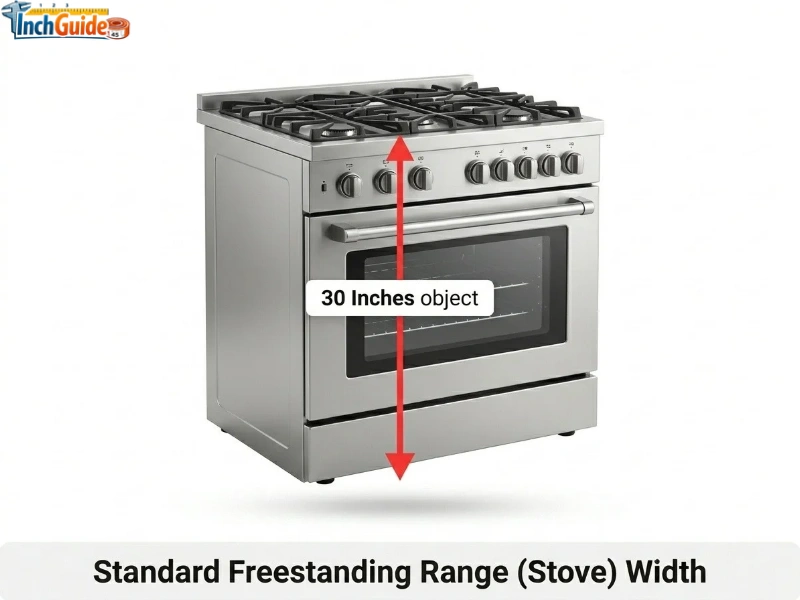
Many full-size freestanding kitchen ranges are designed around a nominal width of 30 inches. Their actual cabinet-facing width is often just under 30 inches so the appliance can fit into a suitable opening.
This makes a range a useful example when imagining a horizontal span of 30 inches. However, the width is not the same as the stove’s height or depth. Check the manufacturer’s dimensions and installation requirements before using this comparison to plan a kitchen space.
2. Table Tennis Table Height
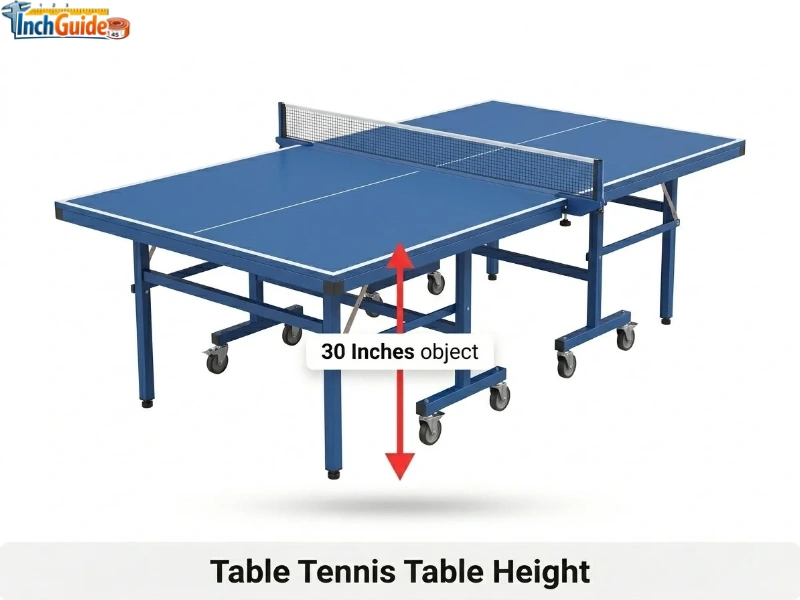
A regulation table tennis table has a playing surface approximately 76 cm above the floor. That converts to about 29.92 inches, which is extremely close to 30 inches.
This is a particularly helpful reference because the measurement describes a vertical height rather than a horizontal length. If you stand beside a regulation table, the playing surface gives you an idea of how high 30 inches is from the ground.
3. Standard Wrapping Paper Roll Width
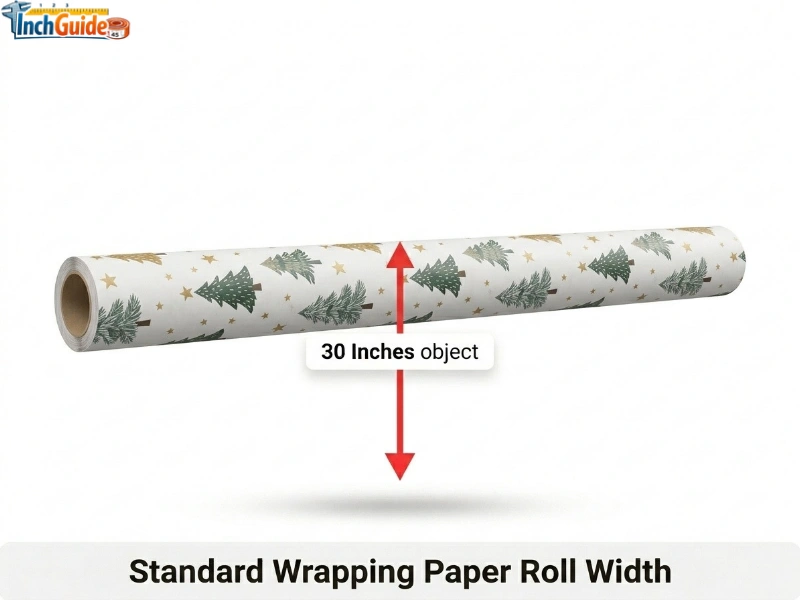
Some wrapping paper rolls are sold with a paper width of exactly 30 inches. When the paper is unrolled and laid flat, its width provides a direct reference for this measurement.
The roll’s width is different from the total length of paper wound around it. A roll can contain several feet of paper while still measuring only 30 inches across. Check the package because wrapping paper also comes in narrower and wider sizes.
4. Heavy-Duty Bolt Cutters Length
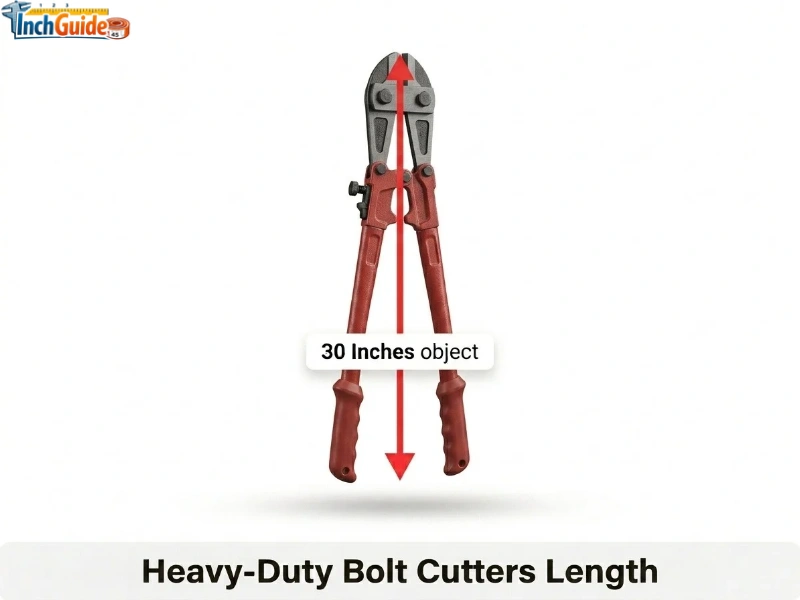
Heavy-duty bolt cutters are available in 30-inch models. Their overall length is measured from one end of the handles to the opposite end, making a specified 30-inch model a close and clearly labelled example.
These tools are designed for cutting suitable bolts, chains, and other materials within their rated capacity. They can be useful for visualizing the measurement, although their long handles and cutting jaws make them look different from household objects of the same length.
5. Wrecking Bar or Crowbar Length
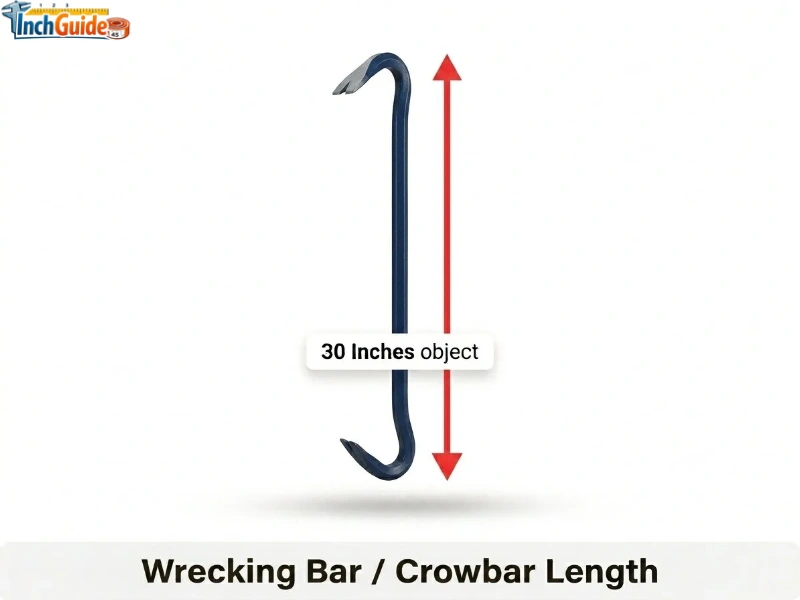
Some wrecking bars and crowbars are available in 30-inch lengths. This measurement usually refers to the tool’s overall length, from one end to the other, rather than the length of its curved tip.
A 30-inch bar is a useful example because it is a long, narrow object that can be compared directly with a measuring tape. However, crowbars come in many sizes, so only use a model labelled 30 inches as an exact reference.
6. Standard Doormat Length
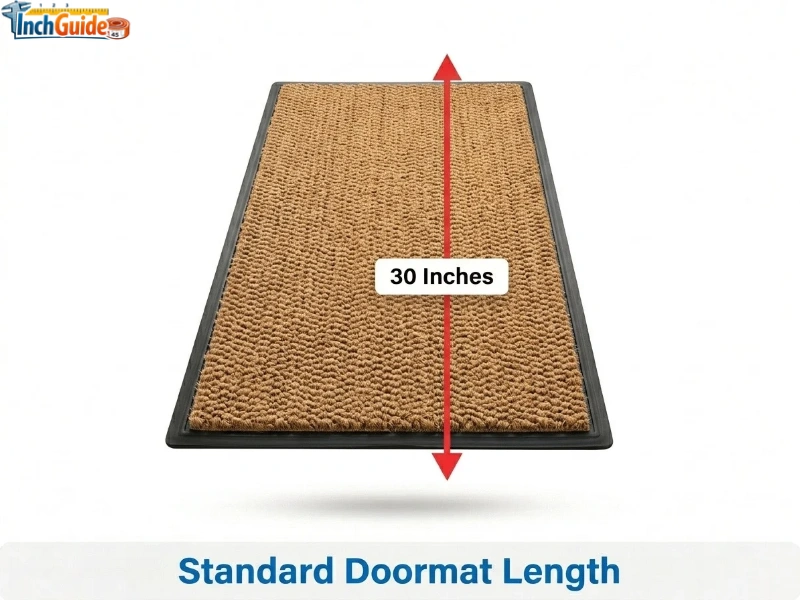
A doormat measuring 18 by 30 inches has a longer side of exactly 30 inches. Placed flat on the floor, that longer edge shows how much space a 30-inch span covers.
Doormats come in different shapes and dimensions, so not every standard-looking mat will be 30 inches long. Look for the listed size, and remember that the shorter side of an 18-by-30-inch mat measures 18 inches instead.
7. Alcove Bathtub Width
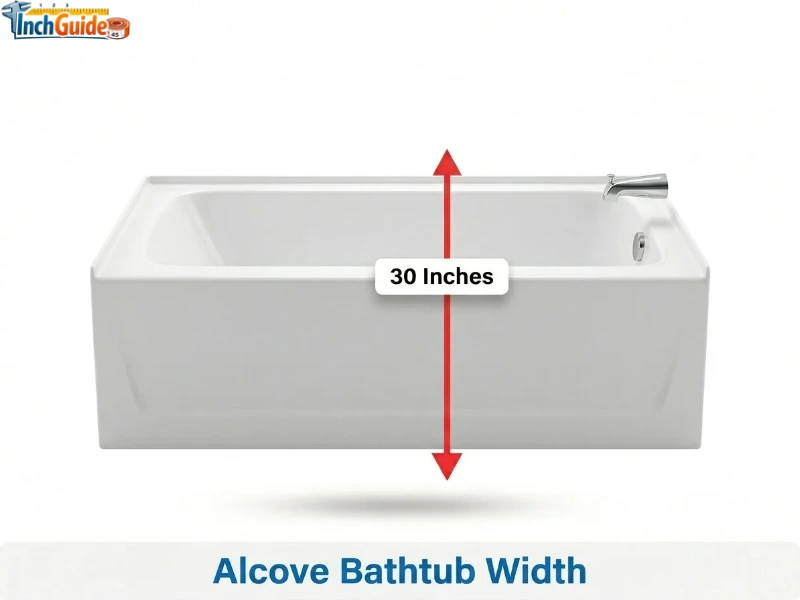
Some alcove bathtubs are around 30 to 32 inches wide. A model at the lower end of this range can help you visualize a width close to 30 inches.
The term “alcove” describes a bathtub designed to fit into a recessed space, usually with walls along three sides. The exact outer dimensions vary by design, so do not assume every alcove bathtub measures 30 inches across. Check the manufacturer’s measurements when planning a bathroom.
8. Men’s Regular Pants Inseam
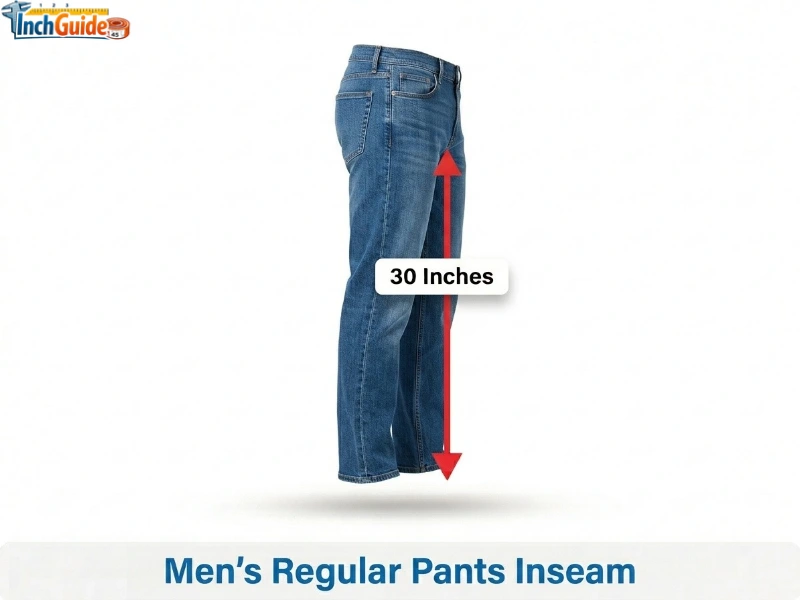
Men’s regular-length trousers are available with a 30-inch inseam. The inseam is the distance along the inside of the leg, from the crotch seam to the bottom of the leg opening.
This gives you an example of a 30-inch measurement used in clothing. It does not mean the trousers are 30 inches long from the waistband to the hem, and a regular fit does not always have the same inseam across brands. Check the garment’s sizing information for the actual measurement.
9. Bathroom Vanity Height
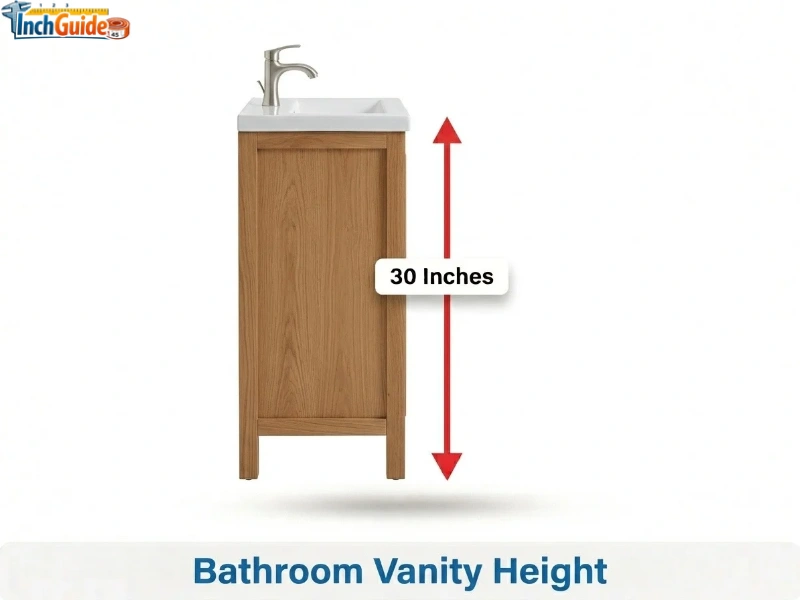
Some bathroom vanities are approximately 30 to 32 inches tall, measured from the floor to the top surface. A model around 30 inches high offers a helpful vertical comparison.
Vanity height depends on the cabinet, countertop, and overall design. Some products list cabinet height separately from the countertop, while others provide the complete installed height. For an accurate comparison, check whether the published measurement includes the countertop and any additional fittings.
Visit Also: How Long Is 27 Inches?
10. Standard Archery Arrow Length
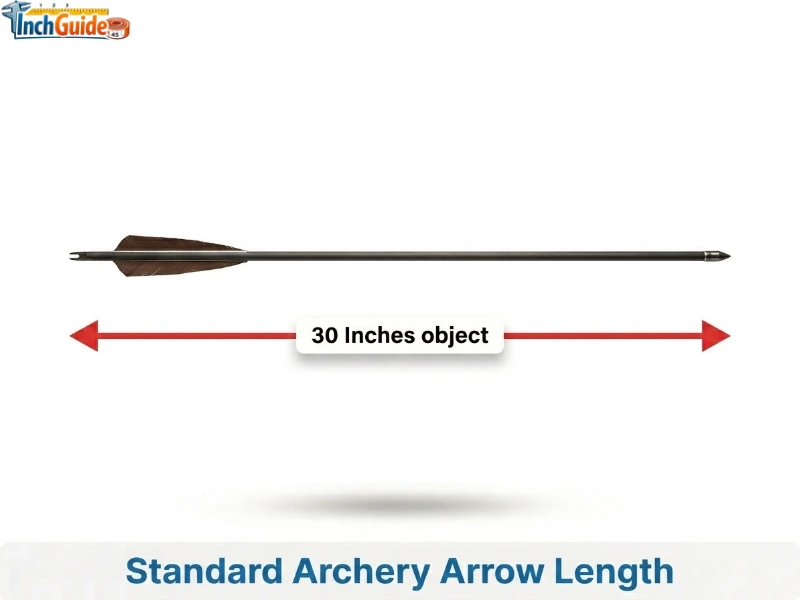
Some archery arrows are approximately 28 to 30 inches long, making a 30-inch arrow a close reference. The length is typically measured along the arrow shaft according to the relevant measuring method, rather than by its width or diameter.
Arrow length varies with the archer’s draw length, equipment, and intended use. It is not a universal size for all bows or archers. Treat this as an approximate visual comparison unless the particular arrow is specifically listed as 30 inches long.
11. Reacher or Grabber Tool Length
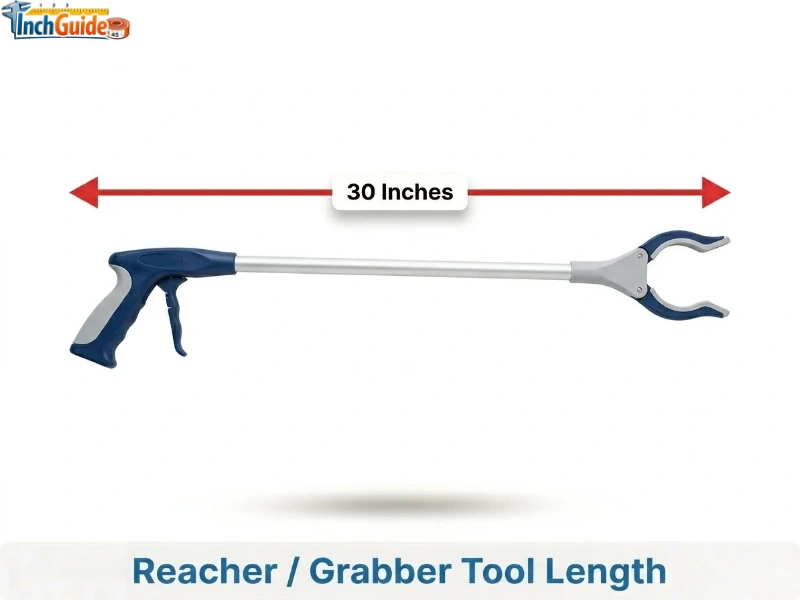
Some reacher tools, also called grabbers, extend roughly 26 to 32 inches. A model close to 30 inches can help you picture the distance from the handle to the gripping end.
These tools help users pick up light objects without bending or stretching as far. Their lengths vary, and some designs are foldable or extendable. Check the listed overall length rather than assuming that all reacher tools measure 30 inches.
12. Compact Shower Stall Width
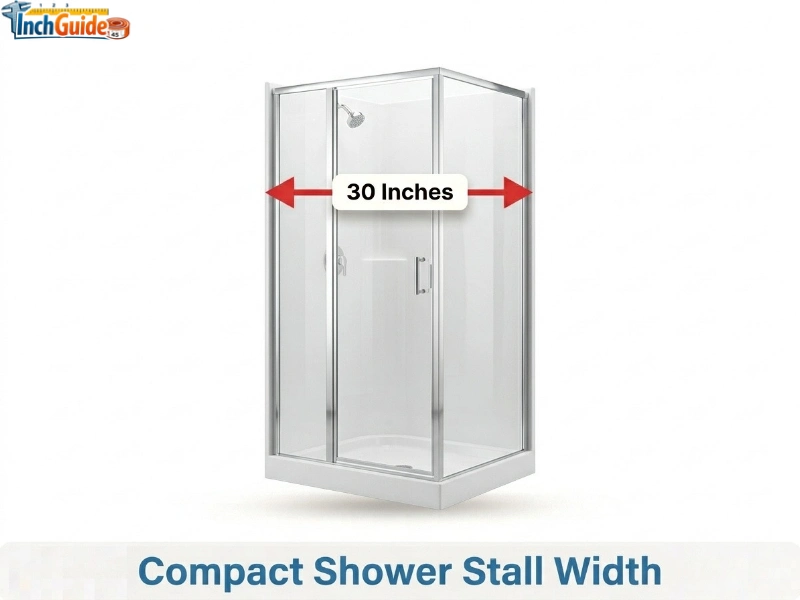
Some compact shower enclosures have a width close to 30 inches, although available sizes depend on the design and installation space. This makes a 30-inch span a possible reference when imagining a narrow shower area.
The width may refer to the enclosure’s outside measurement, its opening, or the space available inside. These dimensions are not interchangeable. Before choosing a shower stall, check the manufacturer’s installation guide and the required clearance for the door and fittings.
Quick Comparison of the 12 Objects
| Object | Dimension measured | Size comparison |
|---|---|---|
| Freestanding range (stove) | Width | About 30 inches |
| Table tennis table | Playing surface height | About 30 inches |
| Wrapping paper roll | Paper width | Exact: 30 inches |
| Heavy-duty bolt cutters | Overall length | Exact: 30 inches |
| Wrecking bar or crowbar | Overall length | Exact: 30 inches |
| Doormat | Longer side | Exact: 30 inches |
| Alcove bathtub | Width | Around 30 inches |
| Men’s regular pants | Inseam | Exact: 30 inches |
| Bathroom vanity | Overall height | Around 30 inches |
| Archery arrow | Length | About 30 inches |
| Reacher or grabber tool | Overall length | Around 30 inches |
| Compact shower stall | Width | About 30 inches |
The closest comparisons are products explicitly sold with a 30-inch dimension, such as a specified wrapping paper roll or bolt cutter. Other examples are approximate and should not be treated as fixed standards.
How Tall Is 30 Inches Compared With Other Heights?
A height of 30 inches equals 76.2 cm, or 2 feet 6 inches. It describes a vertical distance from a base to a top point, rather than a horizontal measurement from one side to another.
For a practical reference, the playing surface of a regulation table tennis table is approximately 30 inches above the floor. Some bathroom vanities are also around this height, although their exact dimensions depend on the model and whether the countertop is included.
When comparing heights, make sure both measurements start from a similar point. Measuring a vanity from the floor to the top surface is different from measuring only the cabinet. Likewise, the height of a table tennis table refers to the playing surface, not the top of a net or another accessory.
See Also: How Long Is 26 Inches?
How Does 30 Inches Compare With 29 Inches and 3 Feet?
Comparing nearby measurements can make 30 inches easier to understand.
- 29 inches: 30 inches is 1 inch longer, a difference of 2.54 cm.
- 30 inches: This equals 2 feet 6 inches, or exactly 2.5 feet.
- 36 inches: This equals 3 feet, making it 6 inches longer than 30 inches.
The difference between 29 and 30 inches may seem small, but it can matter when fitting an item into a tight space. The six-inch difference between 30 inches and 3 feet is more noticeable when comparing larger objects or planning a room layout.
How Can You Measure 30 Inches Without a Measuring Tape?
A measuring tape is the most reliable option, but you can estimate 30 inches using a known measurement if one is available.
Here are a few practical methods:
- Use a 12-inch ruler: Measure 12 inches twice to reach 24 inches, then add another 6 inches.
- Use a marked measuring tool: If you have a yardstick, locate the 30-inch mark. A yardstick is 36 inches long, so the target is 6 inches before its end.
- Use a labelled product dimension: A product explicitly listed as 30 inches wide or long can provide a visual reference, provided you measure the correct side.
- Mark the distance: If you are measuring a space, mark the starting point, measure the required sections, and check the final distance before cutting or installing anything.
Avoid relying on hand spans or guessed body measurements for tasks that require precision. People and objects vary, so estimates can be several inches off.
Why 30-Inch Product Dimensions Can Be Confusing
A product’s stated size may describe only one part of the object. A range labelled 30 inches wide may be slightly narrower than that nominal measurement, while a table listed at 30 inches high refers to a vertical distance.
Some manufacturers also round dimensions for convenience. Clothing sizes, tool lengths, and household fixtures can follow different conventions, so the label alone may not tell you every detail you need.
Before purchasing or installing an item, check:
- The exact dimension being listed: length, width, height, or diameter.
- Whether the measurement is nominal, rounded, or exact.
- Whether accessories, handles, countertops, or fittings are included.
- The space or clearance required for installation and use.
These checks are especially important for appliances, bathtubs, shower enclosures, and furniture that must fit a particular area.
When Does a 30-Inch Measurement Matter?
Knowing a measurement is most useful when you need to apply it to a real situation. A 30-inch width may affect whether an appliance fits between cabinets, while a 30-inch tool needs enough storage space along its full length.
Before buying an item, compare its stated dimensions with the available space. Check the width, height, and depth separately, and allow for any clearance required for doors, handles, or installation. This is especially important for kitchen appliances, bathroom fixtures, and other products that must fit a specific opening.
Explore more measurement guides for easy size comparisons.
- How Long Is 15 Inches?
- How Long Is 6 Inches?
- How Long Is 3 Inches?
- How Long Is 14 Inches?
- How Long Is 8 Inches?
FAQs
1. How long is 30 inches?
30 inches is 2 feet 6 inches, which is equal to 76.2 centimeters or 762 millimeters. It is half a foot shorter than 3 feet.
2. How many feet is 30 inches?
30 inches equals 2.5 feet, or 2 feet 6 inches. Divide 30 by 12 to convert inches into decimal feet.
3. How many centimeters is 30 inches?
30 inches equals exactly 76.2 centimeters. Multiply the inch measurement by 2.54 to convert it into centimeters.
4. How many millimeters is 30 inches?
30 inches equals exactly 762 millimeters. This conversion is useful when comparing technical specifications and measurements listed in metric units.
5. How big is 30 inches?
Thirty inches is 2 feet 6 inches long. A specified 30-inch wrapping paper roll or a 30-inch heavy-duty bolt cutter can provide a direct visual reference for this measurement.
6. How tall is 30 inches?
A height of 30 inches is 76.2 cm, measured vertically from the bottom to the top of an object. The playing surface of a regulation table tennis table is approximately this height.
7. What does 30 inches look like in real life?
It is close to the width of some freestanding kitchen ranges and the overall length of selected bolt cutters. Other examples include a 30-inch doormat and certain wrapping paper rolls, provided their listed dimensions match.
8. Is 30 inches the same as 2.5 feet?
Yes. One foot equals 12 inches, so 2.5 feet equals 30 inches. The expressions use different units but describe the same length.
9. How can I measure 30 inches without a tape measure?
Use a 12-inch ruler twice to measure 24 inches, then add 6 inches. This gives you 30 inches in total, although a proper measuring tool is best when accuracy matters.
10. What household items are about 30 inches in size?
Some bathroom vanities, alcove bathtubs, shower enclosures, and freestanding ranges have dimensions near 30 inches. The relevant side varies by product, so check the manufacturer’s measurements before using an item as an exact reference.
Conclusion
Thirty inches equals 2 feet 6 inches, 76.2 centimeters, and 762 millimeters. These conversions provide a clear starting point whether you are comparing products, planning a space, or trying to picture a measurement without a ruler.
Real-life references make the length easier to understand. A specified 30-inch range width, wrapping paper roll, or bolt cutter can offer a close comparison, while other objects may fall within a broader size range. Their dimensions should always be checked rather than assumed.
When accuracy matters, focus on the exact dimension you need and verify the product specifications. Knowing whether a measurement refers to length, width, height, or diameter will help you make more confident comparisons and avoid mistakes when buying or fitting an item.